SAIPEDES / 013D factory
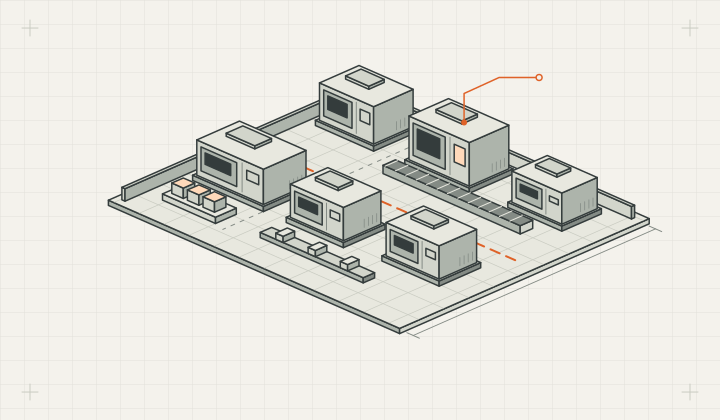
Find a workstation on the floor and see how it relates to nearby equipment, aisles and operations.
Begin at the workshop boundary and follow the material flow from one station to the next. Machines can sit side by side while serving different process steps. Read the equipment identifier and process sequence alongside the layout to build a reliable picture of the cell.
Explore digital twin ↗SAIPEDES / 02Asset management
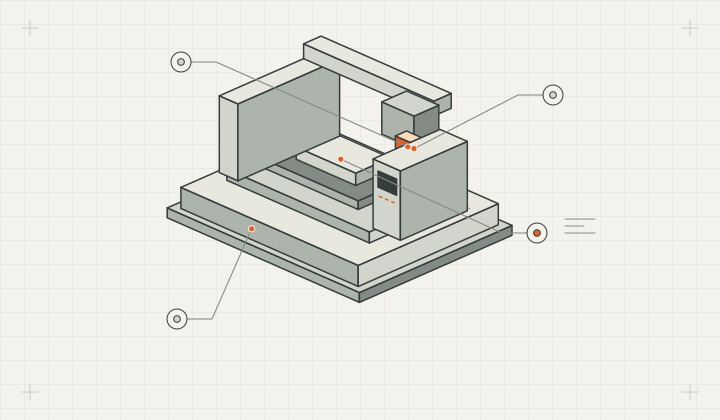
Follow one equipment identifier across its location, production line and operating state.
Two identical machines can perform different jobs. Establish which asset you are looking at before comparing its behavior with a neighbor. If a machine moves, keeping its identifier and dating the new location preserves a readable service history. The demonstration uses fictional asset records.
Explore digital twin ↗SAIPEDES / 03Production monitoring
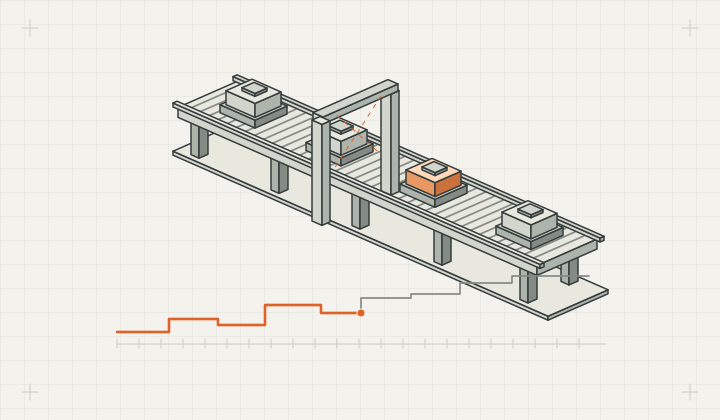
Read completed units against the elapsed shift and the intended pace of work.
A low cumulative count early in a shift may be entirely on plan. Compare the productive time available, target cycle time and completed units over the same interval. The simulated counts give you a way to practice that comparison before investigating a real shortfall.
Explore digital twin ↗SAIPEDES / 04Machine health
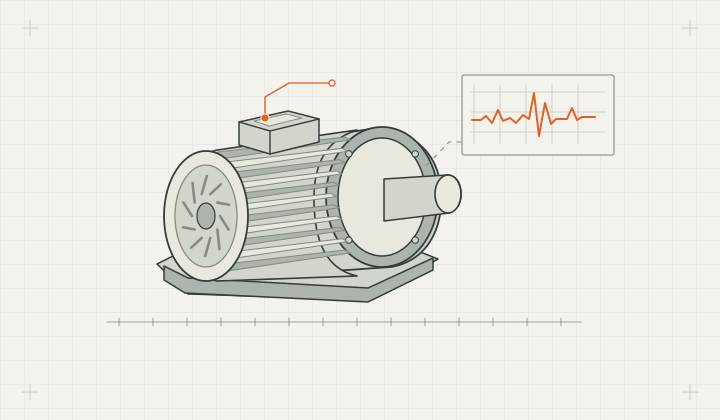
Read temperature, vibration and load together when examining a change in condition.
A brief temperature rise in an example may follow an increase in load. Compare it with a baseline from the same operating condition, then check its duration and whether other signals changed at the same time. Maintenance decisions require a qualified on-site assessment.
Explore digital twin ↗SAIPEDES / 05Energy analysis
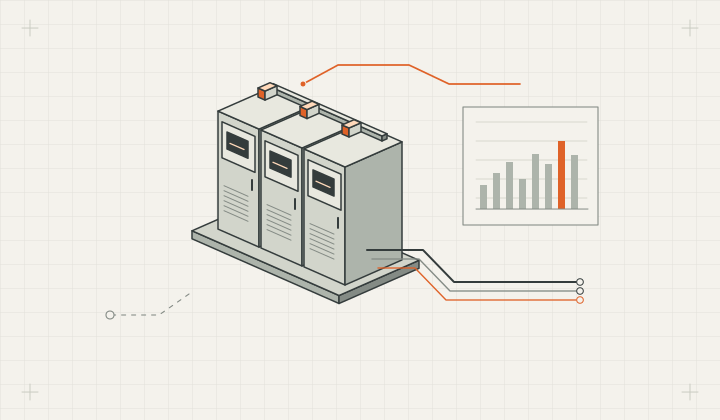
Separate power at a moment in time from energy consumed over a production run.
Power describes the rate of consumption. Energy adds up over an interval. To compare shifts fairly, use the same metering boundary and production window, then divide energy consumed by good units to understand how much electricity each finished part carries.
Explore digital twin ↗SAIPEDES / 06Inspections
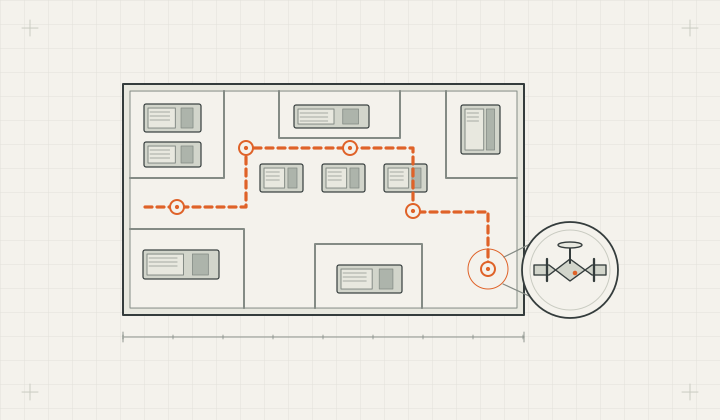
Describe what to observe at a checkpoint and what the next person should revisit.
A useful inspection note identifies the asset, its operating condition and a repeatable observation. Describe the location and symptom precisely enough for a colleague to find them again. The responsible team can then decide when to revisit the checkpoint under its own procedures.
Explore digital twin ↗SAIPEDES / 07Historical review
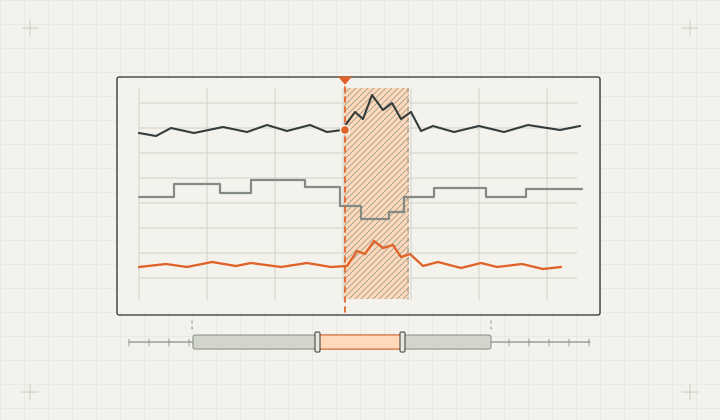
Set a window around a state change and reconstruct what happened before and after it.
Mark the first change, look back far enough to establish a baseline and follow the signals through recovery. Two trends moving together suggest a question worth pursuing. Shift notes, maintenance records and physical evidence can help establish the cause.
Explore digital twin ↗